
SYSTEM.MON
Monitoring that acts, not just alerts
Availability, temperature, voltage and link state in one timeline. Automatic hardware reboot when connectivity drops. SNMP events land in the same feed as service tickets.

Four platforms built in-house: monitoring, notifications, updates and billing. They give the support team one timeline per device instead of five disconnected tools.
Monitoring that acts, not just alerts
Availability, temperature, voltage and link state in one timeline. Automatic hardware reboot when connectivity drops. SNMP events land in the same feed as service tickets.
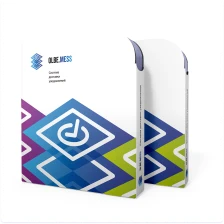
Notifications that actually arrive
Guaranteed delivery of service messages to customers and staff over email and SMS, with retries, delivery audit and per-event templates.

Rollouts you can undo
Staged patch delivery with virtualised testing, rollback and a change log for every device. Built for terminals, kiosks and payment estates where a bad patch costs real money.
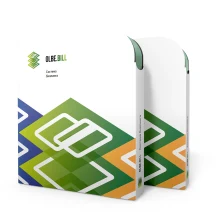
Billing that reconciles
Multi-currency, multi-language billing and transaction tracking for self-service networks, with an audit trail from customer payment to settlement.
An event is not a ticket, a ticket is not a change, and a change is not an invoice. We connect them so the history travels with the device.
SYSTEM.MON notices a lost link, a threshold breach or an SNMP event.
SYSTEM.MESS delivers the right message to the right person, with retries and a delivery audit.
The incident is worked in one queue; SYSTEM.UPDATE ships a tested, reversible change if software is the cause.
SYSTEM.BILL keeps the commercial side traceable from customer payment to settlement.
We do not ask you to replace your help desk, monitoring or ERP. The platforms expose events and accept updates; the service layer connects them to your process.
Tell us your fleet size and the failure that hurts most. We reply within one business day — usually within a few hours.